Compare Local Contractors for Shrub Installation Services
Compare local contractors for shrub installation to define project scope, verify experience, and set clear expectations for a successful landscaping project.
Shrub installation projects typically involve selecting appropriate shrub varieties, preparing the planting site, and properly planting and spacing each shrub to ensure healthy growth. Contractors may also offer services such as soil preparation, mulching, and initial plant care to establish a thriving landscape. Defining the scope of work upfront helps property owners clarify what tasks are included, whether it’s just planting or additional landscape enhancements, which can influence the overall quality and longevity of the shrub installation.
Establishing clear project scope and expectations is essential when working with local contractors. Property owners should specify details such as the number and types of shrubs, planting locations, soil conditions, and any additional landscaping features. Putting these details into a written agreement helps prevent misunderstandings and provides a reference point throughout the project. Verifying the experience and track record of prospective contractors can also give confidence that they understand local planting conditions and best practices for shrub installation.
Comparing local contractors involves reviewing their experience, areas of expertise, and reputation within the community. Property owners can ask for references or examples of previous shrub installation projects to assess the quality of their work. It’s also helpful to consider how contractors communicate and whether they provide detailed proposals that outline the scope of work. By taking these steps, property owners can make informed decisions and select service providers who are well-suited to handle their specific shrub installation needs.
Compare local contractors by outlining project priorities, verifying experience, and setting clear expectations in writing.
- Compare Contractor Experience - review the backgrounds and project history of local contractors to assess their expertise in shrub installation.
- Define Project Scope Clearly - outline specific shrub types, quantities, and landscape details to ensure mutual understanding.
- Verify Service Provider Credentials - check references and verify the experience of local contractors to ensure quality work.
- Document Expectations in Writing - establish detailed agreements covering scope, materials, and responsibilities to prevent misunderstandings.

Clearly describe your shrub installation project upfront to help compare contractors, verify experience, and set expectations in writing.
- Verify the contractor’s experience with shrub installation to ensure they are knowledgeable about different plant types and planting techniques. - Ensure the scope of work is clearly defined in writing, including the size, number, and placement of shrubs.
- Check that the contractor provides a detailed description of the materials and plants to be used for the installation. - Confirm that the service provider discusses site preparation requirements and any necessary soil amendments.
- Assess whether the contractor offers a written warranty or guarantee for the shrub installation work. - Look for clear communication about the expected outcomes and maintenance responsibilities post-installation.
- Compare multiple local contractors to evaluate their experience, scope of work, and communication style before making a decision. - Make sure all expectations, including plant selection and placement, are documented in a formal agreement.
- Ensure the contractor discusses any necessary permits or local regulations related to shrub planting in the area. - Confirm that the scope includes site cleanup and removal of debris after installation.
Compare local contractors’ experience and clarify project details to ensure a successful shrub installation.


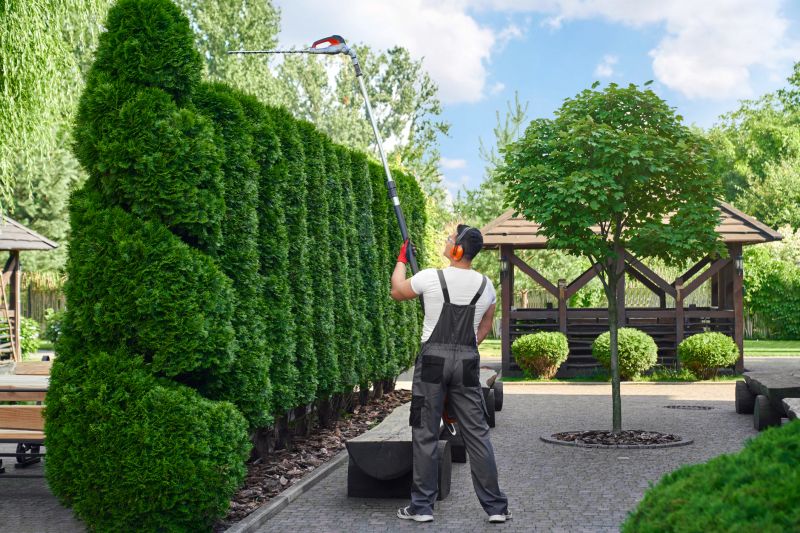
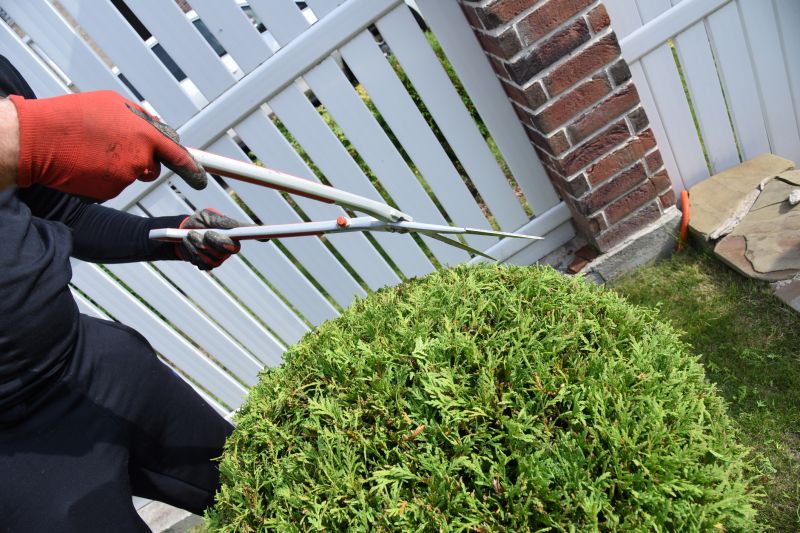
Use clear, consistent comparisons of scope, experience, and written expectations across local contractors for shrub installation.
- Define scope of shrub installation - specify the types, sizes, and quantities of shrubs to be installed.
- Verify experience of service providers - ensure contractors have relevant experience with shrub planting and landscape installation.
- Establish project expectations in writing - document the scope, materials, and responsibilities to prevent misunderstandings.
- Assess contractor qualifications - review references and previous work to evaluate the quality of shrub installation services.
- Compare service providers - evaluate estimates, service offerings, and reputation to select the most suitable local contractors.
When comparing contractors for shrub installation, it's important to evaluate their experience with similar projects. Homeowners should inquire about how many shrub installation jobs they have completed and whether they have worked with the specific types of shrubs intended for the landscape. A contractor with a proven track record in shrub planting can demonstrate familiarity with planting techniques, soil preparation, and plant care, which can contribute to a successful outcome. Reviewing their portfolio or asking for references related to past shrub installation projects can help gauge their familiarity with the scope and complexity of the work.
A clear, written scope of work is essential for setting expectations and ensuring both parties are aligned. Homeowners should seek contractors who can provide a detailed description of the services included, such as site preparation, shrub selection, planting methods, and cleanup. This documentation helps prevent misunderstandings and provides a basis for evaluating the completeness of the proposed work. A comprehensive scope also supports effective communication and allows homeowners to compare different service providers based on the thoroughness of their proposals.
Verification basics involve confirming that contractors understand the project requirements and can deliver quality results. Homeowners should verify that potential service providers have the necessary experience with shrub installation, ask about their process, and request examples of completed projects similar to the scope at hand. Checking references or reviews can provide insights into their reliability and workmanship. While formal licensing or certification isn't a focus here, understanding a contractor’s familiarity with local conditions and best practices can help ensure the work will meet expectations.
Evaluating options without focusing on prices involves examining the professionalism, clarity, and thoroughness of each contractor’s approach. Homeowners can compare how well each service provider understands the project scope, the level of detail in their proposals, and their ability to communicate expectations clearly. Considering their experience, the quality of their previous work, and their responsiveness during the inquiry process can help identify service providers who are capable of handling the shrub installation effectively. This approach ensures selecting a contractor based on expertise and professionalism, leading to a smoother project experience.
Ask contractors to provide written scope details to ensure clear expectations and consistent project understanding.
- Experience with Shrub Installation - How do contractors demonstrate their experience with shrub planting and landscape installation?
- Scope of Work - What specific tasks and responsibilities are included in the contractor’s scope for shrub installation?
- Materials and Plant Selection - How do contractors specify the types of shrubs and materials they plan to use?
- Project Expectations - What details should be clarified in writing regarding the installation process and responsibilities?
- Comparison of Services - How can homeowners compare the scope and approach of different local service providers?
What should I consider when choosing a contractor for shrub installation? It's important to compare local contractors based on their experience, reputation, and the scope of services they offer to ensure they meet the specific needs of the project.
How can I define the scope of shrub installation with a contractor? Clearly outline the types of shrubs, planting locations, and any additional landscape features to ensure both parties have a shared understanding of the project expectations.
What questions should I ask a contractor before hiring for shrub installation? Inquire about their previous experience with similar projects, the methods they use, and how they handle site preparation and plant selection to assess their expertise.
Why is it important to get the project details in writing? Having a written agreement helps clarify the scope, responsibilities, and expectations, reducing potential misunderstandings during the project.
How can I verify a contractor’s experience with shrub installation? Request references or examples of past work, and check reviews or ratings from previous clients to gauge their familiarity and reliability.
What should I include in a project description for shrub installation? Specify the types of shrubs, planting locations, desired size and arrangement, and any special considerations to ensure the contractor understands the project requirements.
This page has highlighted the importance of clearly defining the scope of shrub installation projects, verifying the experience of local contractors, and setting expectations in writing to ensure a smooth process. Comparing options allows for a better understanding of each service provider’s approach and helps identify those best suited to meet specific needs. Utilizing the quote form can assist in connecting with qualified local contractors who can handle the job with professionalism and clarity.
To find the right contractor for shrub installation, visitors are encouraged to use the quote form to compare local service providers. Gathering information and setting clear expectations can help ensure the project aligns with individual preferences and requirements. Connecting with experienced local contractors through this tool provides an opportunity to explore options and make informed decisions about the next steps.